English
 Español
Green Ohm
Green Ohm
Green Ohm
Green Ohm
Green Ohm
Green Ohm
Green Ohm
Green Ohm
Green Ohm
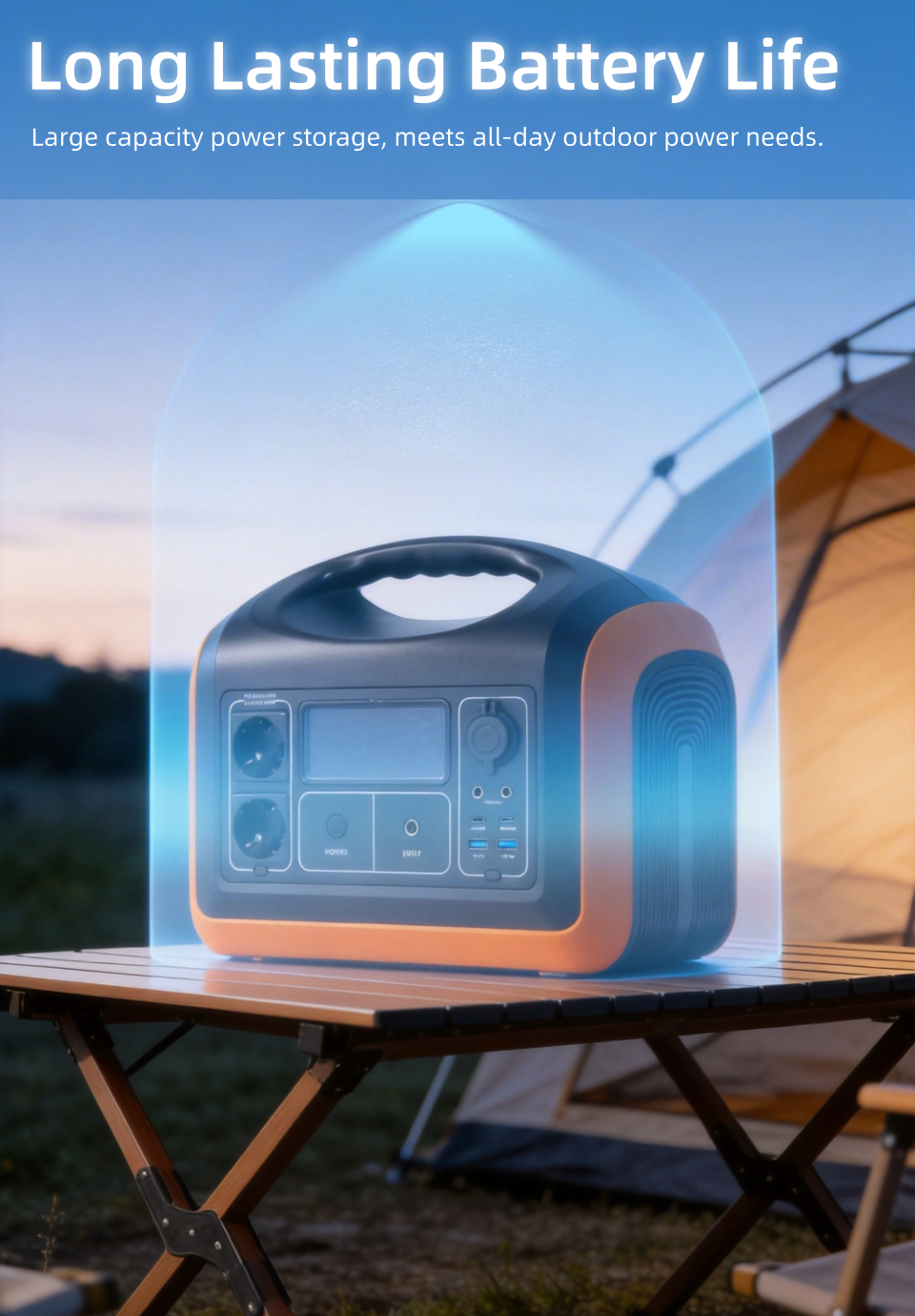
Extreme weather events, power grid instability, and the growing popularity of off-grid activities are reshaping the portable energy market. Across North America, Europe, and emerging markets, buyers are increasingly searching for dependable backup power solutions that can perform when traditional electricity is unavailable. Recent online discussions focus heavily on emergency preparedness, disaster resilience, outdoor work continuity, and home backup energy. In response, many distributors and project buyers are seeking partnerships with a trusted Outdoor Portable Power Station Factory capable of delivering products designed for practical, real-world conditions rather than occasional recreational use.
The challenge facing many buyers today is determining which portable power solutions can truly meet user expectations during critical situations.
Why Emergency Power Requirements Are Changing
Several years ago, portable power stations were primarily associated with camping and outdoor leisure. Today, the market has expanded significantly.
Users now rely on portable energy systems for:
- Home emergency backup
- Medical device support
- Remote communication equipment
- Mobile business operations
- Outdoor security systems
- Temporary disaster response centers
As applications become more critical, performance reliability has become a major purchasing criterion.
The Biggest Problem: Runtime Expectations vs. Reality
One of the most common frustrations among end users is discovering that their portable power station cannot sustain essential devices for as long as expected.
This often occurs because buyers focus only on capacity ratings while overlooking factors such as:
- Actual power consumption patterns
- Conversion efficiency
- Battery discharge characteristics
- Environmental operating conditions
- Long-term battery health
Professional buyers increasingly seek suppliers that provide transparent technical guidance rather than simply promoting high-capacity figures.
Harsh Environments Reveal Product Weaknesses
Portable power stations frequently operate in environments far different from controlled indoor conditions. Outdoor users may encounter heat, cold, humidity, dust, and transportation-related impacts.
As a result, modern buyers pay close attention to:
- Structural durability
- Battery thermal stability
- Impact-resistant housing
- Ventilation design
- Weather-resistant construction
Products that perform well under laboratory conditions do not always deliver the same results in demanding field environments.
Why Battery Safety Is Receiving More Attention
Battery safety remains one of the hottest topics in energy storage discussions. As portable power adoption increases, customers want reassurance that their equipment can operate safely over extended periods.
Important safety considerations include:
- Temperature management systems
- Cell balancing technology
- Overload protection
- Short-circuit prevention
- Intelligent battery monitoring
This growing awareness is influencing purchasing decisions across both consumer and commercial markets.
Solar Charging Has Become More Than a Trend
Renewable energy integration continues to gain momentum. Buyers increasingly expect portable power stations to work seamlessly with solar panels, especially for emergency preparedness and remote applications.
The most requested benefits include:
- Energy independence during outages
- Reduced reliance on fuel supplies
- Greater flexibility in off-grid locations
- Extended operation during prolonged emergencies
- Lower long-term operating costs
As renewable energy adoption expands globally, solar compatibility is becoming a standard expectation rather than a premium feature.
What Global Buyers Are Asking Suppliers in 2025
Compared with previous years, procurement teams are conducting more detailed supplier evaluations. Product specifications alone are no longer enough.
Key questions now include:
- How is battery quality controlled?
- What testing procedures are used?
- Can products support OEM customization?
- How stable is production capacity?
- What certifications are available for target markets?
As a manufacturer, we have observed that buyers increasingly value long-term supplier partnerships that provide technical support and consistent product quality.
Future Demand Will Focus on Reliability, Not Just Capacity
The portable energy industry is entering a more mature stage. While capacity and output remain important, buyers are paying greater attention to durability, safety, charging flexibility, and real-world performance.
Future innovations are expected to include smarter battery management systems, faster solar charging integration, improved thermal protection, and more efficient energy utilization. Businesses looking to stay competitive in this evolving market can benefit from working with a dependable Outdoor Portable Power Station Factory and a professional LiFePO4 Portable Power Station Supplier that understands both current industry challenges and future market expectations.