English
 Español
Green Ohm
Green Ohm
Green Ohm
Green Ohm
Green Ohm
Green Ohm
Green Ohm
Green Ohm
Green Ohm
Portable energy storage is becoming relevant to more than camping and outdoor recreation. Remote work, mobile businesses, emergency preparedness, outdoor events, and temporary power needs are creating demand for compact systems that can supply electricity away from conventional outlets. For distributors and equipment buyers, choosing the right product involves more than comparing battery capacity. Working with an experienced Portable Power Station Manufacturer means understanding how battery performance, inverter output, charging options, safety management, and application requirements fit together.
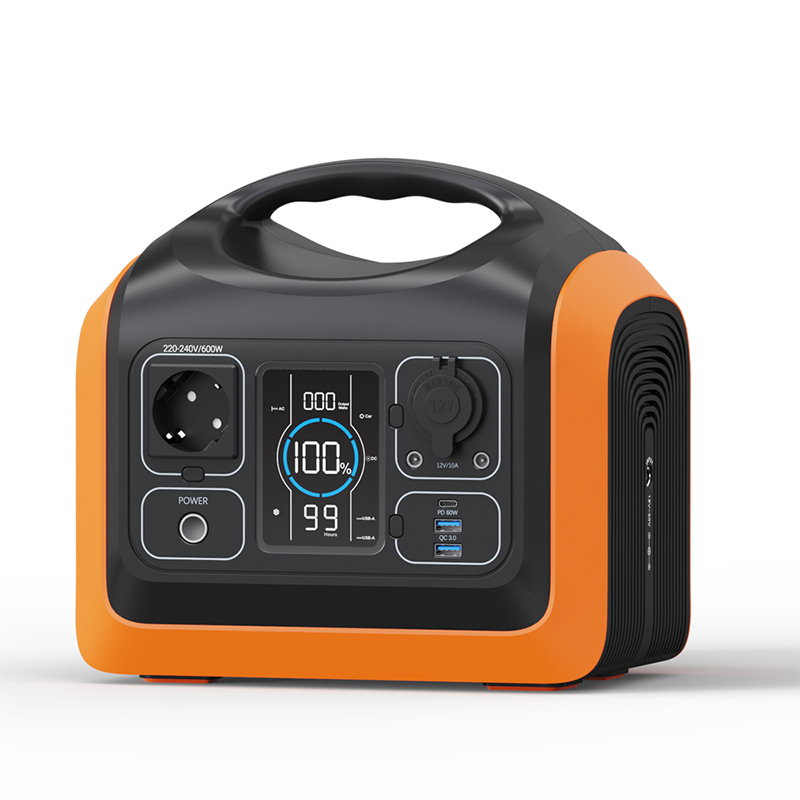
Start With the Equipment Users Need to Power
The first step in product selection is identifying the devices that will be connected to the power station. A laptop, lighting system, refrigerator, and power tool have different electrical requirements. Some devices also require a higher starting power when switched on.
Buyers should distinguish between rated output power and peak output power, then compare these figures with the requirements of the intended equipment. Battery capacity should also be considered alongside power consumption. A larger capacity does not automatically mean that every device can be operated, particularly when the inverter output is insufficient.
For wholesale buyers, understanding typical end-user applications helps determine which models are worth including in a product range.
Battery Capacity Is Only Part of the Performance Picture
Battery capacity indicates how much energy a power station can store, but actual usable energy depends on factors such as conversion efficiency, operating conditions, and connected loads. Buyers should therefore avoid evaluating products through capacity figures alone.
It is also useful to understand the battery chemistry used in the product. Lithium iron phosphate (LiFePO4) batteries are attracting attention in energy storage applications because of their thermal stability and cycle-life characteristics. However, the suitability of a battery system still depends on its overall design, operating limits, and battery management system.
Manufacturers should provide clear specifications so distributors can explain the relationship between stored energy and practical runtime.
Charging Flexibility Matters in Different Environments
A portable power station may be charged through an AC outlet, solar panels, a vehicle connection, or other supported methods. The available options influence where and how users can replenish stored energy.
For outdoor users, solar charging can provide an additional energy source when suitable sunlight and compatible panels are available. For mobile applications, vehicle charging may offer more convenience between destinations. Buyers should check supported input power, connector compatibility, and charging limitations before selecting a model.
A manufacturer should also make the charging requirements clear rather than presenting every charging method as universally available.
Check the Battery Management and Protection System
Battery safety is a major consideration for importers and product developers. A battery management system (BMS) helps monitor operating conditions and manage protections against issues such as overcharging, over-discharging, overcurrent, and abnormal temperatures.
When evaluating a supplier, buyers should ask how battery cells, electronic components, and protection functions are integrated into the finished product. Product documentation and applicable safety testing should also be reviewed according to the destination market.
These details are especially important for businesses planning to distribute portable energy storage products under their own brands.
Portability Should Match the Intended Application
A power station designed for occasional camping may have different priorities from one intended for mobile workshops or temporary commercial installations. Weight, enclosure dimensions, handle design, display visibility, and port placement all affect the user experience.
Buyers should consider:
- Whether the unit can be carried comfortably by its intended users
- Whether the enclosure is suitable for the expected environment
- Whether output ports are easy to access
- Whether the display provides useful battery and operating information
- Whether the product can be stored and transported conveniently
A practical design balances energy capacity with the physical requirements of everyday use.
Understand Output Ports and Regional Requirements
Different markets have different electrical standards and user expectations. AC outlet types, output voltage, frequency, USB ports, DC connections, and charging interfaces should be confirmed before an order is placed.
For overseas distributors, regional compliance is another essential purchasing consideration. Required certifications and testing depend on the destination country and product configuration. Buyers should confirm the relevant documentation with the manufacturer rather than assuming that one approval applies to every market.
Clear communication at the specification stage can reduce compatibility issues and support smoother product planning.
Choose a Manufacturer That Understands System Integration
A portable power station combines battery cells, a battery management system, an inverter, charging circuits, enclosure components, and user interfaces. The performance of the finished product depends on how these elements work together.
A capable Portable Power Station Manufacturer should be prepared to discuss application requirements, battery configuration, output specifications, charging options, safety protections, and market-specific needs. For overseas buyers, evaluating the complete system rather than focusing on a single capacity or power rating provides a more reliable basis for supplier selection and helps develop products that meet real customer requirements.