English
 Español
Green Ohm
Green Ohm
Green Ohm
Green Ohm
Green Ohm
Green Ohm
Green Ohm
Green Ohm
Green Ohm
Battery energy storage projects are moving into a more demanding procurement phase. Recent projects and industry guidance show growing attention to grid flexibility, renewable integration, data-center electricity demand, safety, and long-term project risk rather than battery capacity alone. For industrial users, EPC contractors, distributors, and energy developers, choosing an Industrial BESS Supplier now requires a closer look at how the complete system will perform, integrate, and be supported throughout its operating life.
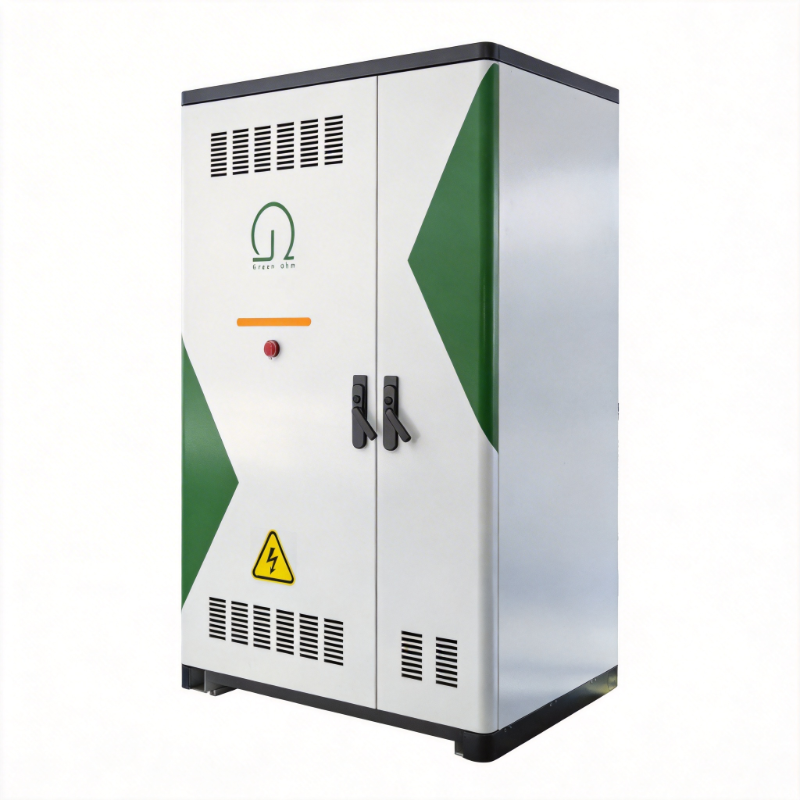
Start With the Application, Not the Battery Size
A common mistake is to begin an RFQ with a target MWh figure before defining what the system needs to accomplish. Peak shaving, renewable energy shifting, backup power, demand management, and grid services can place very different requirements on the same battery platform.
A more useful procurement discussion starts with the operating profile:
- expected charging and discharging pattern;
- required power output and duration;
- site load characteristics;
- renewable generation profile;
- grid connection conditions;
- ambient temperature and installation environment.
This information allows suppliers to recommend an architecture that reflects the actual project instead of simply matching a nominal capacity.
Why PCS and Battery Coordination Matters
A BESS is a complete electrical system rather than a collection of battery modules. The battery management system, power conversion system, thermal management, protection equipment, controls, and monitoring platform must work together.
For engineers, the interface between the battery and PCS deserves particular attention. Recent BESS procurement guidance also emphasizes that technical specifications should connect the storage system with interconnection requirements and other site equipment.
From a manufacturing perspective, we evaluate these interfaces early because an apparently suitable battery specification can still create commissioning difficulties if the control logic, voltage range, communication protocols, or protection strategy are not properly coordinated.
Safety Documentation Should Be Part of the RFQ
Safety is becoming an increasingly important part of BESS purchasing decisions. Buyers are asking suppliers to provide clearer information about thermal management, fire protection, monitoring, emergency response, and applicable testing.
For commercial and industrial projects, procurement teams should request relevant technical documentation before final supplier selection. Depending on the market and project design, this may include system safety testing, installation requirements, thermal runaway evaluation, protection information, and compliance documentation. Current C&I buyer guidance specifically highlights safety, permitting, and insurance considerations when evaluating storage systems.
This approach helps project teams identify documentation gaps before equipment reaches the site.
Supply Chain Risk Is Now an Engineering Issue
BESS procurement has also become more closely connected with supply-chain planning. Battery origin, trade requirements, tariffs, component availability, and delivery risks can affect project economics and schedules. In the U.S., industry analysis in 2026 has highlighted changing trade and foreign-entity requirements as factors influencing how storage projects are sourced.
For overseas buyers, a supplier should therefore be able to explain its sourcing structure, production location, key component availability, documentation process, and expected lead-time assumptions. Transparent information gives EPCs and developers a better basis for evaluating the complete project risk.
Don't Overlook Monitoring and After-Sales Support
A battery system continues generating operational data long after installation. BMS information, temperature readings, alarms, operating records, and system status can help operators identify abnormal conditions and plan maintenance.
A suitable supplier should explain how monitoring is handled and what support is available after commissioning. For industrial customers, useful questions include who provides remote technical support, how software updates are managed, what spare parts are available, and how warranty issues are documented.
From our manufacturer perspective, after-sales support should be considered during system design rather than added after delivery.
Evaluate the Supplier Before Comparing the Quote
Price and MWh capacity are easy to place in a spreadsheet, but they do not provide a complete picture of supplier capability. Buyers should also examine engineering resources, quality-control procedures, testing arrangements, documentation, customization capability, and project communication.
Recent buyer-side procurement initiatives are placing greater emphasis on areas such as cell traceability, inspections, monitoring, warranties, and technical contract terms. These factors can make supplier comparison more meaningful and reduce uncertainty during installation and operation.
Build the Procurement Decision Around the Whole Project
The right storage system is determined by more than battery chemistry or advertised capacity. Application requirements, electrical interfaces, safety documentation, supply-chain transparency, monitoring, and technical support all influence whether a BESS can integrate smoothly into an industrial energy project. For EPCs, developers, distributors, and facility owners, working with an Industrial BESS Supplier that can address these requirements from engineering through after-sales support provides a more practical foundation for reliable energy storage procurement.