English
 Español
Green Ohm
Green Ohm
Green Ohm
Green Ohm
Green Ohm
Green Ohm
Green Ohm
Green Ohm
Green Ohm
Unexpected power interruptions can affect more than household lighting. Home office computers, Wi-Fi routers, security cameras, communication equipment, and small business electronics may all depend on a stable electricity supply. As backup power becomes an important consideration for residential and commercial users, portable energy storage is attracting attention as a flexible alternative to traditional standby solutions. However, not every power station is designed for automatic backup operation. A Portable Power Station Manufacturer needs to consider power continuity, inverter performance, battery capacity, and device compatibility when developing products for these applications.
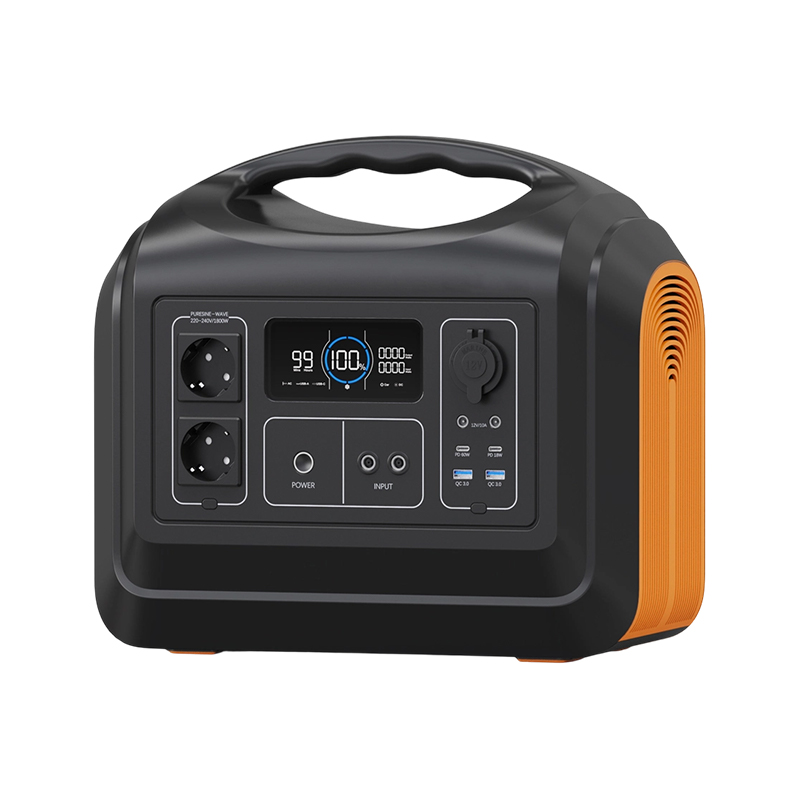
Why Are More Buyers Interested in Portable Backup Power?
Traditional backup systems are often installed in fixed locations, while portable power stations offer greater flexibility. Users can move them between rooms, take them outdoors, or use them in temporary workspaces.
For households, they can support selected essential appliances during outages. Small businesses may use them to keep communication equipment, routers, and other compatible electronics operating. This flexibility makes portable energy storage relevant to several customer groups, including homeowners, RV users, remote workers, and commercial equipment distributors.
Understanding UPS and EPS Functions
UPS and EPS are important terms when comparing portable power stations for backup applications. Both generally refer to backup power functionality, but the actual switching performance depends on the product design.
When the main electricity supply fails, a unit with an appropriate backup function transfers connected devices to battery power. The transition takes a certain amount of time, usually specified in milliseconds.
Buyers should check three details before purchasing:
- Whether the product supports automatic backup switching.
- The specified transfer time under the manufacturer's test conditions.
- Whether the connected equipment can tolerate the brief interruption.
A portable power station should not automatically be treated as a replacement for every dedicated UPS system. Servers and other sensitive equipment may require a dedicated online UPS or a solution with specifically verified switching performance.
Why Pure Sine Wave Output Matters
The inverter converts stored DC energy into AC electricity for compatible household and commercial devices. Its output characteristics influence which appliances can be powered.
Pure sine wave output is an important specification when selecting a portable power station for electronics and appliances that require conventional AC power. It can provide an AC waveform suitable for a broad range of compatible equipment.
However, buyers should not evaluate inverter quality by waveform description alone. Rated continuous output, surge capability, voltage stability, and frequency compatibility also deserve attention. Appliances with motors or compressors may require additional starting power, so their operating and startup requirements should both be checked.
How Much Battery Capacity Is Needed During an Outage?
A larger battery does not necessarily mean a better backup solution. The required capacity depends on the combined power consumption of connected devices and the expected backup duration.
For example, a user who only needs to keep a router and several communication devices running has different energy requirements from someone powering a refrigerator, lighting, and a computer.
A practical purchasing assessment should include:
- Identifying the essential devices.
- Checking their rated power consumption.
- Estimating how many hours backup is required.
- Allowing for inverter conversion losses.
- Selecting a suitable battery capacity with an appropriate operating margin.
This approach helps buyers avoid paying for unnecessary capacity while reducing the risk of insufficient backup time.
What Should Manufacturers Consider During Product Development?
Developing a portable power station for backup applications involves coordinating several electrical and battery components. Battery cells, the BMS, inverter, charging circuit, and switching system must work together under different operating conditions.
From a manufacturing perspective, product evaluation should include charging and discharging performance, output stability, protection functions, and backup switching behavior. Component compatibility and consistent assembly are also important considerations.
Clear technical documentation helps distributors understand product limitations and recommend suitable models for different applications. It also reduces confusion between general portable power products and equipment specifically designed for backup operation.
Choosing the Right Configuration for Different Markets
International buyers often serve customers with different electricity requirements. Voltage, frequency, plug standards, output interfaces, and local compliance requirements can vary between markets.
For importers and private-label brands, these differences make product configuration an important part of supplier selection. Buyers should discuss available inverter specifications, battery options, backup functions, packaging, and OEM or ODM requirements before confirming bulk orders.
Manufacturers that understand these application differences can provide more relevant product recommendations and support distributors in developing suitable product ranges.
Building Better Backup Solutions Through Manufacturing Expertise
The growing interest in home backup, remote working, and flexible electricity access is creating new opportunities for portable energy storage. Nevertheless, a useful backup product must do more than store electricity. It needs to deliver compatible output, provide appropriate protection, and meet the operating requirements of its intended applications.
As a Portable Power Station Manufacturer, we recognize the importance of integrating battery technology, inverter performance, and backup functionality into a well-matched product configuration. Helping buyers understand these technical details is an important step toward selecting practical energy solutions for residential and commercial markets.