English
 Español
Green Ohm
Green Ohm
Green Ohm
Green Ohm
Green Ohm
Green Ohm
Green Ohm
Green Ohm
Green Ohm
Portable energy storage is becoming an important option for outdoor activities, emergency preparedness, mobile work, and temporary power supply. However, selecting the right equipment is not simply a matter of choosing the largest battery capacity. A unit may store sufficient energy but still fail to operate an appliance if its inverter output is inadequate. For distributors and project buyers, understanding these technical differences is essential. As a Portable Power Station Manufacturer, we believe product selection should start with actual electricity requirements rather than headline specifications.
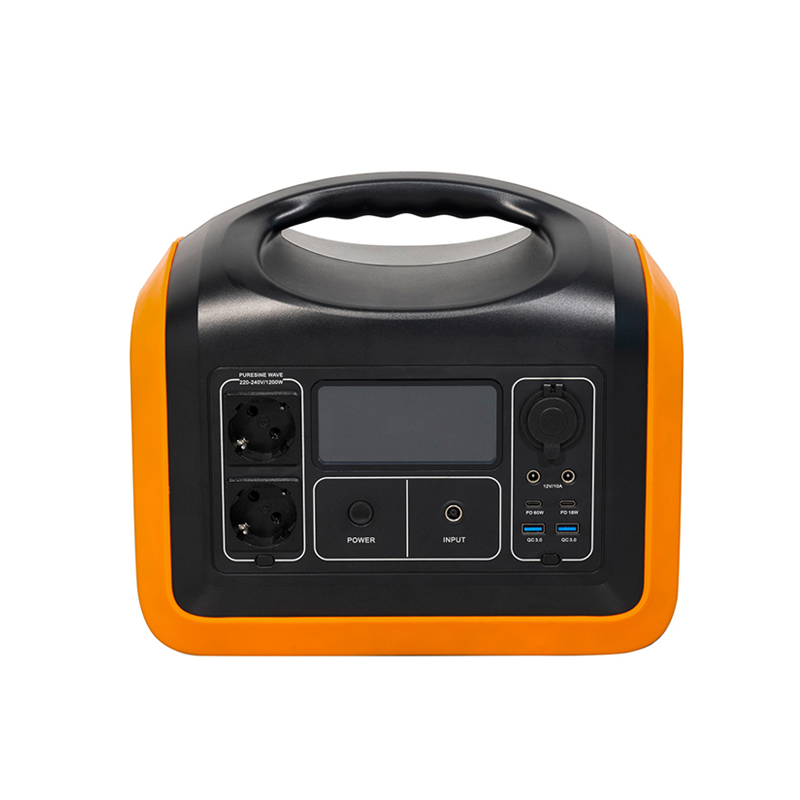
Battery Capacity and Output Power Serve Different Purposes
One of the most common misunderstandings in portable power station purchasing is confusing battery capacity with output power. Capacity, measured in watt-hours (Wh), indicates how much energy the battery stores. Output power, measured in watts (W), determines how much electrical power the unit can deliver at one time.
For example, a refrigerator may require a certain amount of power to operate continuously and a higher starting power when its compressor starts. Buyers should therefore examine both rated output and surge capability before selecting a model. This distinction is particularly important for home backup, workshop equipment, and outdoor applications involving appliances with motors.
Why Is Battery Chemistry Important for Long-Term Use?
Battery chemistry influences product weight, energy density, service life, and thermal management requirements. Lithium iron phosphate (LiFePO4) batteries have attracted considerable attention in portable energy storage because of their cycle-life characteristics and thermal stability.
For buyers evaluating a LiFePO4 portable power station, several specifications deserve attention:
- Battery capacity and usable energy.
- Rated cycle life and the conditions used for testing.
- Battery management system (BMS) protection functions.
- Operating and charging temperature ranges.
- Manufacturer warranty and battery replacement arrangements.
A battery specification should always be evaluated alongside the complete electrical system. Cell quality alone cannot determine the reliability of the finished product.
Can Solar Charging Support Different Off-Grid Applications?
Solar charging has become an important feature for customers who need electricity away from conventional power outlets. Campers, RV owners, remote workers, and users preparing for power interruptions may prefer equipment that can accept energy from compatible solar panels.
However, solar compatibility involves more than having a solar input port. Buyers should check the supported input voltage, maximum solar charging power, connector type, and built-in MPPT charge controller specifications.
It is also important to understand that actual charging performance depends on sunlight intensity, panel orientation, weather, and system conversion efficiency. Providing accurate solar input specifications helps distributors set realistic expectations and recommend compatible accessories.
What Features Matter for Home Backup and Outdoor Power?
Different applications require different product configurations. A compact station designed for charging phones and laptops may not be suitable for operating household appliances during a power interruption.
Before choosing a model, buyers should consider the following application requirements:
- Home backup: Sufficient continuous output, appropriate AC outlets, and enough stored energy for essential appliances.
- Camping and RV travel: Manageable weight, convenient charging options, and suitable DC and USB connections.
- Mobile work: Stable power delivery for laptops, communication equipment, and compatible tools.
- Emergency preparation: Clear battery status information, reliable protection functions, and practical recharge options.
Matching the output interface and battery capacity to the intended application can help avoid unnecessary product costs.
How Does the BMS Contribute to Product Safety?
The battery management system is an important part of portable energy storage design. It monitors battery operating conditions and helps manage protection against issues such as overvoltage, undervoltage, overcurrent, and excessive temperature.
For manufacturers, BMS integration requires attention to battery cells, electrical connections, charging components, and system-level testing. Protection functions should be designed around the characteristics of the complete battery pack rather than treated as an isolated feature.
Buyers should also ask suppliers about battery testing procedures, relevant product certifications, and transportation documentation. These details are particularly important for international distributors handling lithium battery products.
What Should Importers Evaluate When Choosing a Manufacturer?
For overseas buyers, product quality is only one part of supplier evaluation. Manufacturing consistency, customization capabilities, technical communication, and delivery arrangements also influence long-term cooperation.
When comparing a Portable Power Station Manufacturer, importers should examine:
- Available battery capacities and inverter configurations.
- OEM and ODM development capabilities.
- AC, DC, and USB output options.
- Quality inspection and product testing procedures.
- Packaging, labeling, and destination-market compliance support.
- Warranty terms and technical after-sales assistance.
Clear communication about these requirements before production can reduce specification misunderstandings and make bulk purchasing more manageable.
Developing Portable Energy Storage for Changing Market Needs
The portable power industry is moving toward more flexible energy solutions, with increasing attention to LiFePO4 technology, solar charging compatibility, expandable storage, and home backup applications. For manufacturers, these developments create opportunities to improve product configurations for different customer groups and regional markets.
Our approach as a Portable Power Station Manufacturer is to focus on the relationship between battery performance, inverter capability, protection systems, and practical application requirements. By understanding what distributors and end users actually need, manufacturers can develop products that offer more appropriate energy solutions for outdoor activities, mobile operations, and emergency power supply.