English
 Español
Green Ohm
Green Ohm
Green Ohm
Green Ohm
Green Ohm
Green Ohm
Green Ohm
Green Ohm
Green Ohm
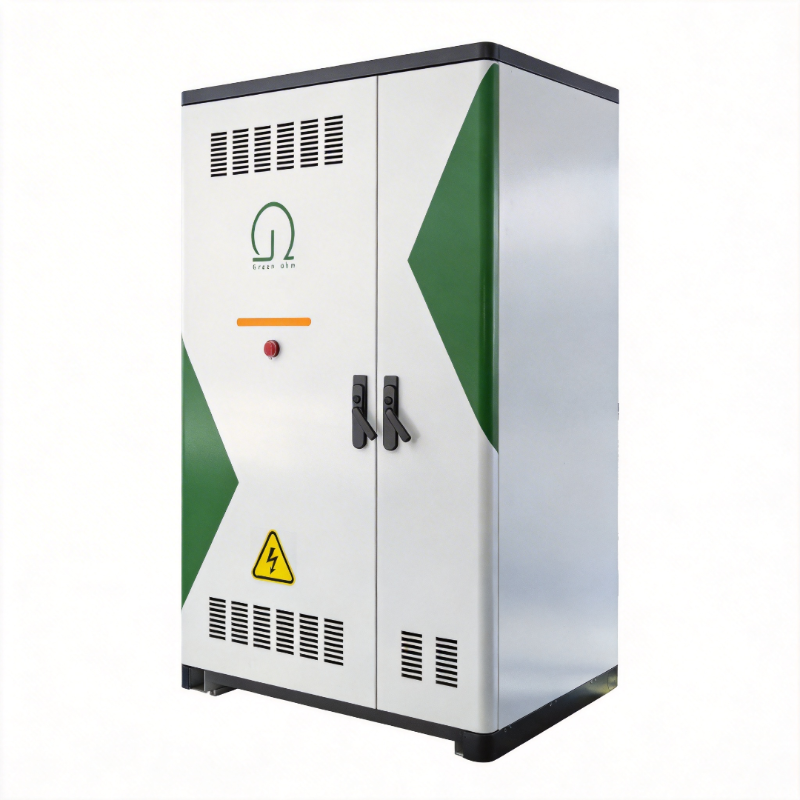
Battery energy storage systems are becoming increasingly connected to site networks, energy management platforms, remote monitoring tools, and grid infrastructure. That connectivity brings operational benefits, but it also creates another issue for project developers and industrial users: how should cybersecurity be evaluated before a storage system is installed? Recent energy-sector reporting has highlighted growing cyber risks as digital connectivity expands across power infrastructure. For buyers choosing an Industrial BESS Supplier, cybersecurity is therefore becoming part of the technical procurement conversation rather than an issue left entirely to the IT department.
Why Does Connectivity Matter?
A modern BESS may exchange information between the battery management system, power conversion system, energy management system, monitoring platform, and external networks. These communication paths allow operators to monitor performance and adjust operating strategies remotely, but they also create additional points that need appropriate protection.
For industrial buyers, the important question is not whether a system is connected. It is how those connections are designed, controlled, monitored, and maintained throughout the equipment's operating life.
Which BESS Interfaces Should Buyers Review?
Cybersecurity should be considered across the complete communication architecture instead of focusing on a single device. Engineers can begin by identifying which systems communicate externally and which remain within the local control environment.
During supplier evaluation, useful questions include:
- How are remote connections authenticated?
- Which communication protocols are supported?
- Can user access be assigned according to different permissions?
- How are software and firmware updates managed?
- Is operational data separated from external networks where appropriate?
These questions help procurement teams understand the practical security architecture before signing a long-term supply agreement.
Remote Monitoring Needs Clear Access Controls
Remote monitoring can be valuable for large industrial facilities because operators may need to review alarms, operating status, temperature information, state of charge, and other system data without being physically present. However, remote access should be designed around controlled permissions and defined responsibilities.
Recent cybersecurity guidance for energy storage systems recommends measures such as network segmentation, access controls, secure communications, updates, and continuous monitoring. For manufacturers, this means cybersecurity cannot be treated as an isolated software feature. It needs to be considered alongside system architecture and operational procedures.
What Happens When the BESS Connects to a Larger Network?
The risk profile can change when a BESS becomes part of a wider industrial control network, microgrid, or grid-connected energy platform. A storage system may exchange information with other equipment, making interface management important during system integration.
From our manufacturing perspective, engineers should define communication boundaries before commissioning. This includes identifying required interfaces, permitted access, control responsibilities, and procedures for troubleshooting communication failures. Clear documentation can make the handover between the BESS supplier, EPC contractor, IT team, and site operator more manageable.
Cybersecurity Should Continue After Installation
A secure BESS is not simply a system that passes an initial inspection. Software environments, network configurations, user accounts, and external threats can change over time. This makes update management and ongoing monitoring relevant to long-term operation.
For procurement teams, after-sales support should therefore include questions about:
- Security-related software updates
- Vulnerability notification procedures
- Remote-access management
- Account and permission administration
- Technical support during security incidents
The U.S. Department of Energy has also identified cybersecurity and supply-chain risks as areas requiring proactive mitigation in battery storage systems.
Don't Separate Cybersecurity From System Engineering
Cybersecurity should work alongside electrical protection, battery safety, thermal management, monitoring, and operational controls. Adding security measures after the BESS architecture has already been finalized can create unnecessary integration work.
As a manufacturer, we recommend discussing communication architecture during the early technical stage. This gives engineering teams an opportunity to align BMS, PCS, EMS, monitoring, and external interfaces before equipment production and site commissioning.
A More Complete Way to Evaluate BESS Suppliers
Battery chemistry, capacity, efficiency, and pricing remain important procurement factors, but connected energy storage requires a broader evaluation. Cybersecurity architecture, communication controls, update procedures, documentation, and long-term technical support can influence how confidently a system can be integrated into an industrial energy environment. For developers, EPCs, facility owners, and system integrators, selecting an Industrial BESS Supplier that can address both physical equipment and digital connectivity provides a more complete approach to modern BESS procurement.