English
 Español
Green Ohm
Green Ohm
Green Ohm
Green Ohm
Green Ohm
Green Ohm
Green Ohm
Green Ohm
Green Ohm
Battery energy storage is moving into a more active role within modern power systems. As renewable generation grows and large electricity loads such as AI data centers place additional pressure on grid infrastructure, buyers are increasingly interested in how storage can support voltage, frequency, and system stability rather than simply shift energy from one period to another. Recent 2026 industry outlooks identify grid-forming controls as an important development for energy storage, while current power-sector discussions increasingly connect BESS with grid reliability and flexible capacity. For developers, EPC contractors, and industrial users, this makes grid-forming capability a topic worth discussing with an Industrial BESS Supplier before finalizing technical specifications.
What Does Grid-Forming Actually Mean?
Traditional battery systems generally operate alongside an existing electrical grid reference. Grid-forming technology takes a more active approach by allowing power electronic equipment to establish and regulate an electrical waveform under suitable operating conditions.
For buyers, the important point is not simply whether a system is advertised as "grid-forming." The real question is what functions the proposed configuration can provide at the project site and under which operating conditions.
Engineers should review the relationship between the battery system, PCS, protection equipment, controls, and grid connection requirements before treating grid-forming capability as a standalone product feature.
Why Are Developers Paying More Attention?
The changing structure of electricity networks is one reason this subject is becoming more relevant. Renewable generation can introduce variable power flows, while large new loads are increasing pressure on existing grid infrastructure. Recent reporting on the power sector describes battery storage as increasingly important to grid flexibility and reliability rather than simply renewable-energy support.
For project developers, this creates an opportunity to consider BESS during early grid planning. Instead of asking only how much energy the battery can store, procurement teams can examine whether the system can contribute to the specific electrical services required by the project.
Does Every BESS Project Need Grid-Forming?
No. The appropriate control architecture depends on the grid connection, project application, local technical requirements, and commercial model.
A behind-the-meter industrial system designed primarily for peak demand management may have different requirements from a utility-scale project supporting a renewable plant or a system operating in a weaker grid environment.
Before specifying grid-forming functions, buyers should clarify:
- The grid characteristics at the point of interconnection
- Required voltage and frequency support
- Islanding or backup-power objectives
- PCS operating modes
- Protection and control coordination
- Applicable grid-code requirements
This application-first approach helps prevent unnecessary technical complexity while keeping future capabilities in view.
PCS Selection Becomes More Important
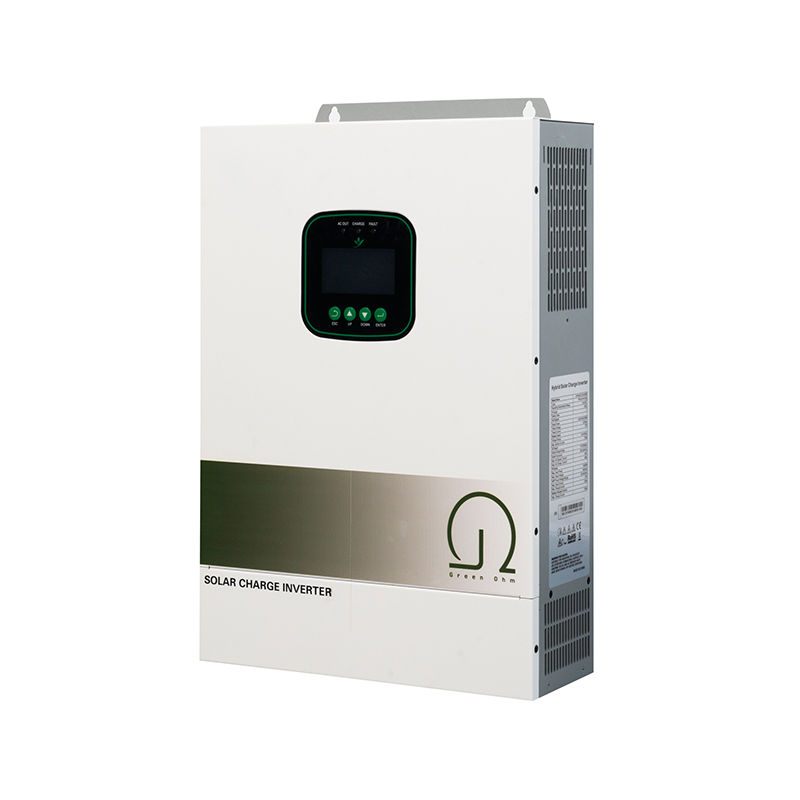
Grid-forming performance depends heavily on the power conversion system. Battery cells provide stored energy, but the PCS determines how that energy is converted and controlled at the electrical interface.
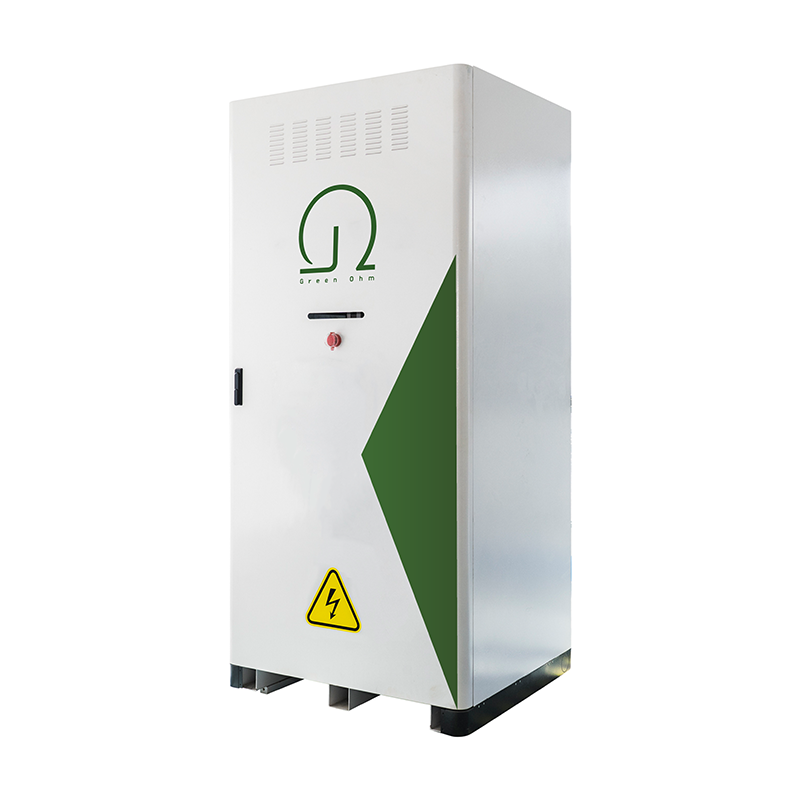
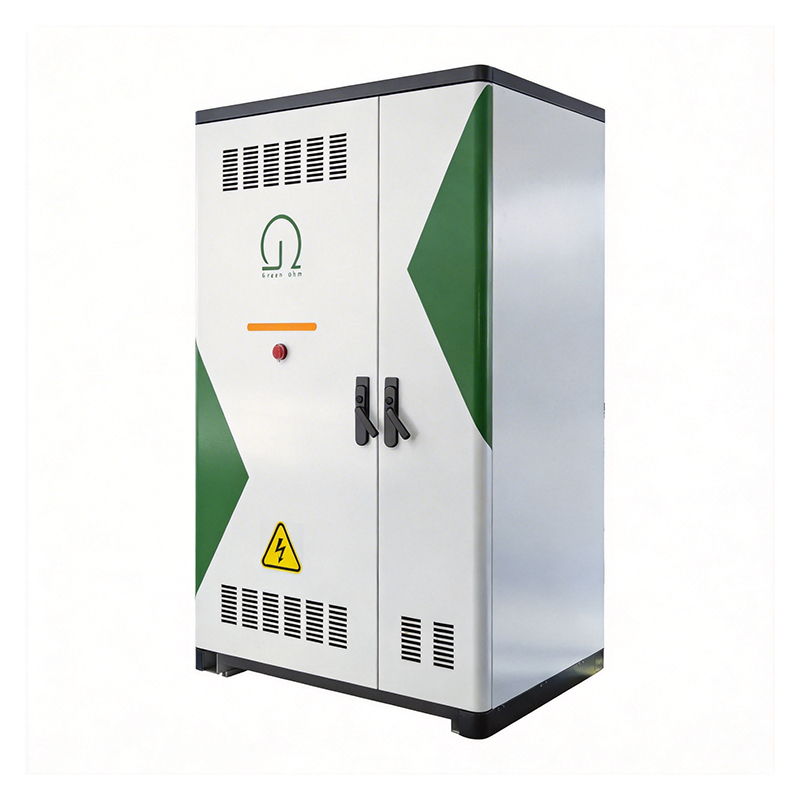
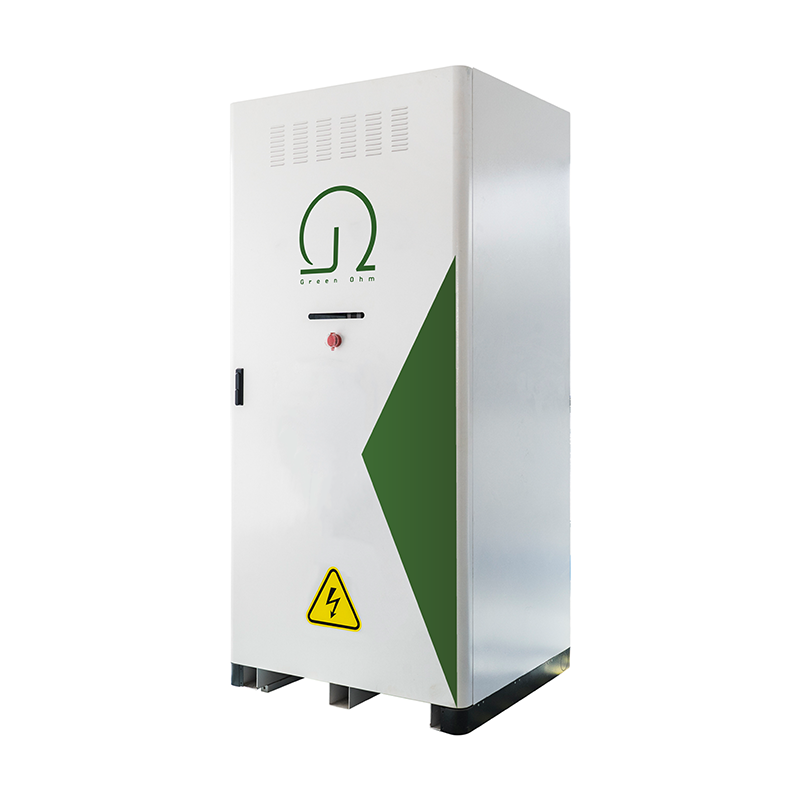
From our manufacturing perspective, BESS engineering should therefore consider battery modules, PCS, BMS, EMS, protection devices, and communication interfaces as an integrated system. A technically capable battery cabinet cannot compensate for an unsuitable inverter architecture or poorly coordinated control strategy.
This is especially important for customized projects where voltage levels, operating modes, communication protocols, and site-specific controls may differ from a standard configuration.
What Should Engineers Ask During Procurement?
Grid-forming capability should be translated into measurable project requirements rather than left as a marketing term. Technical discussions with suppliers can cover operating modes, response behavior, control interfaces, fault-management strategy, testing procedures, and compatibility with the intended grid environment.
Buyers should also ask how the supplier validates the complete system before shipment. Factory testing, documentation, commissioning procedures, and integration support can become important when several electrical systems need to operate together.
Current BESS procurement guidance continues to emphasize early definition of technical requirements, testing, safety, warranties, and system interfaces.
Plan for Future Grid Requirements
A BESS installed today may operate for many years while grid conditions and project objectives continue to evolve. That makes software architecture, control flexibility, communication capability, and upgrade pathways worth discussing during the initial procurement stage.
The objective is not to add every available function. Instead, buyers can identify which capabilities may become valuable as the project develops and determine whether the selected architecture can accommodate them without major redesign.
This approach can be particularly useful for industrial facilities facing uncertain load growth or renewable integration plans.
Choose a Supplier That Understands the Electrical System
The growing discussion around grid-forming storage reflects a broader change in how BESS is being evaluated. Battery capacity remains important, but system controls, PCS capability, grid compatibility, testing, and future flexibility can be equally relevant to project performance. For EPCs, utilities, renewable developers, and industrial energy users, working with an Industrial BESS Supplier that can discuss the complete electrical architecture—not just the battery cabinet—can provide a stronger foundation for designing storage systems suited to changing grid conditions.