English
 Español
Green Ohm
Green Ohm
Green Ohm
Green Ohm
Green Ohm
Green Ohm
Green Ohm
Green Ohm
Green Ohm
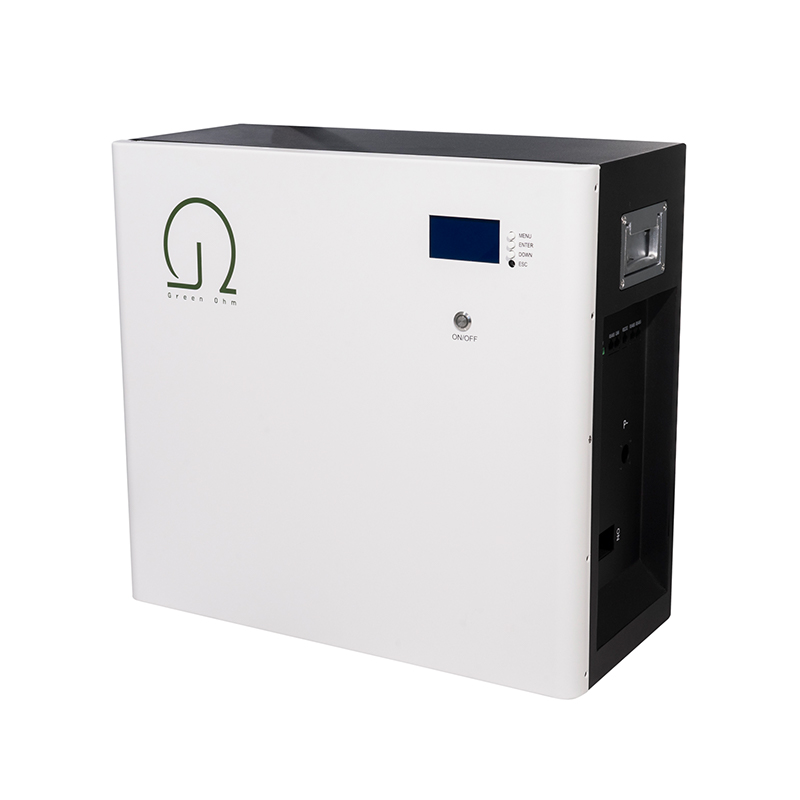
Residential energy storage is becoming an important consideration for households looking to make better use of solar power, manage electricity consumption, and prepare for unexpected grid interruptions. However, choosing a battery system involves more than comparing storage capacity or equipment prices. Buyers need to understand when electricity is consumed, which appliances require backup power, and how the system will interact with existing solar installations. For anyone evaluating a Residential ESS System Supplier, the real challenge is finding a solution that matches household energy patterns rather than simply selecting a larger battery.
Why Is Battery Capacity Only Part of the Decision?
Battery capacity determines how much energy a system can store, but it does not independently establish how well the system will meet a household's needs. A home with high evening electricity consumption may require a different configuration from one that uses most of its power during daylight hours.
Buyers should begin by reviewing electricity bills, typical appliance usage, and the expected duration of backup operation. Heating equipment, air conditioners, refrigerators, lighting, and communication devices can all influence the required storage capacity. A practical residential battery storage solution starts with these usage details before moving to equipment selection.
How Should Solar Generation and Household Consumption Work Together?
For homes with rooftop photovoltaic panels, the timing of electricity generation is just as important as total daily production. Solar panels may generate surplus electricity during the day, while household demand often increases later in the afternoon or evening.
A properly configured home energy storage system can store available surplus energy for later use, subject to system settings, battery limits, and operating conditions. Buyers should therefore examine how the battery, inverter, and energy management controls coordinate charging and discharging.
Before purchasing, clarify whether the project involves a new solar installation or adding storage to an existing system. This distinction can affect inverter compatibility, electrical design, installation work, and the overall project cost.
What Should Buyers Know About Backup Power?
Backup power is a common reason households consider energy storage, but not every system configuration supports the same backup functions. Some installations are designed to supply selected essential circuits, while others may be configured for a broader range of household loads.
When evaluating a residential ESS for backup power, buyers should confirm several practical details:
- Which appliances and circuits need to remain powered during an outage
- The starting and running power requirements of connected equipment
- The expected backup duration under the intended load
- Whether automatic changeover or manual operation is required
- How the system behaves when the battery reaches its reserve limit
These questions help prevent a mismatch between customer expectations and the installed system's actual capabilities.
Does Compatibility Matter When Upgrading an Existing Solar System?
Many projects do not begin with a completely new energy installation. Homeowners may already have solar panels and an inverter but want to add a battery to increase self-consumption or provide backup power.
In these cases, compatibility should be reviewed before a product is selected. The existing inverter architecture, battery communication requirements, electrical connections, and control functions can all influence the available options.
As a manufacturer, we recommend confirming the existing equipment model and installation configuration early in the project. Clear technical information helps reduce avoidable design changes and makes it easier to identify a suitable residential energy storage configuration.
How Can Energy Management Improve Everyday Use?
A battery system should respond to household priorities rather than operate without a clear purpose. Depending on its supported functions, an energy management system may help users monitor electricity generation, battery status, household consumption, and charging schedules.
Buyers should consider whether the system needs to prioritize solar self-consumption, maintain a reserve for outages, or respond to time-based electricity tariffs where available. These objectives may require different control settings.
Simple monitoring and understandable operating modes are also valuable. When users can see how energy moves between solar panels, the battery, the home, and the grid, they can make more informed decisions about their energy use.
Which Technical Details Should a Supplier Clarify?
A residential ESS project involves several interconnected components. Reviewing the complete system is more useful than assessing the battery in isolation.
Before confirming an order, buyers should request clear information about:
- Usable battery capacity and supported charge and discharge power
- Inverter compatibility and system configuration
- Installation requirements and electrical connections
- Battery monitoring and energy management functions
- Applicable safety documentation and local market requirements
- Warranty terms, maintenance arrangements, and technical support
These details help installers and procurement teams compare products on a consistent basis and identify potential project issues before installation begins.
How Can Manufacturers Help Buyers Make Better Decisions?
A suitable residential energy storage system should reflect the home's consumption profile, solar generation, backup priorities, and installation conditions. Increasing battery capacity without understanding these factors may add cost without addressing the customer's main concern.
For distributors, installers, and project buyers, working with a Residential ESS System Supplier that can clarify system configuration, explain compatibility requirements, and support technical communication can make product selection more straightforward. A well-matched solution begins with clear requirements and a complete understanding of how the equipment will be used in the home.