English
 Español
Green Ohm
Green Ohm
Green Ohm
Green Ohm
Green Ohm
Green Ohm
Green Ohm
Green Ohm
Green Ohm
As more households combine rooftop solar, electric appliances, and changing electricity tariffs, residential energy storage is becoming less about simply keeping a battery at home and more about managing when electricity is generated, stored, and consumed. Recent market discussions in Europe and other regions show growing interest in self-consumption, backup power, dynamic tariffs, and household energy flexibility. For installers, distributors, and project buyers, choosing a Residential ESS System Supplier therefore requires more than comparing battery capacity or equipment prices.
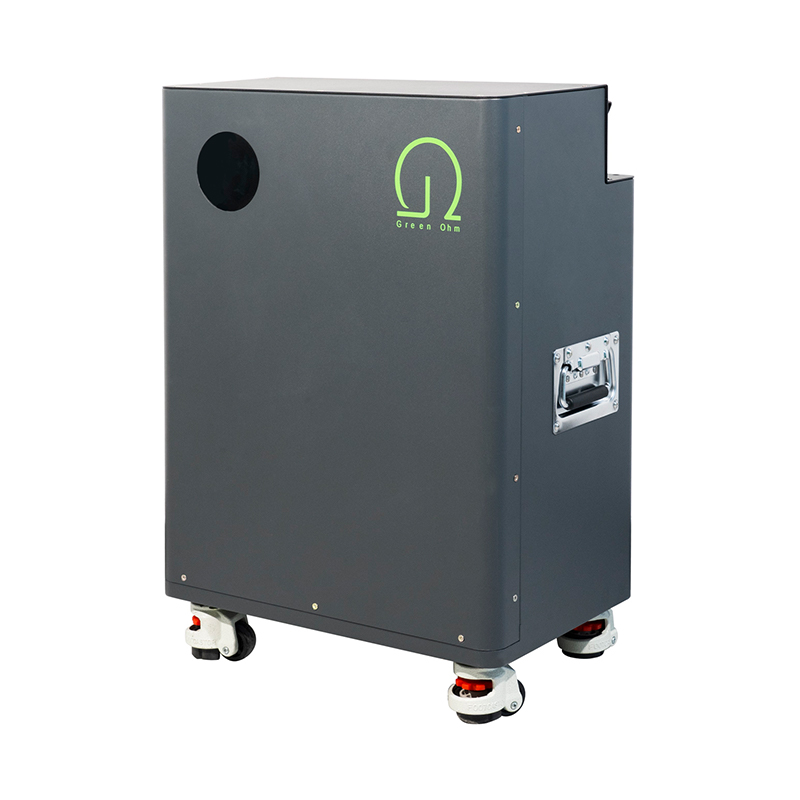
Start With the Home’s Actual Energy Profile
A common mistake is to select a storage system based only on the household’s total daily electricity consumption. In practice, engineers also need to understand when energy is used and which loads are considered essential.
Air conditioning, heating equipment, water heaters, kitchen appliances, and EV chargers can create short periods of high demand. A system designed around actual load patterns can better balance usable battery capacity, inverter output, solar generation, and backup requirements.
This is particularly important for buyers supplying different residential markets, where household consumption patterns and electrical configurations may vary considerably.
Separate Backup Needs From Daily Energy Management
Backup power and solar self-consumption are related, but they are not exactly the same application. A homeowner may want enough stored energy to maintain selected circuits during an outage, while another may primarily want to store excess daytime solar power for evening use.
A practical residential energy storage solution should therefore clarify:
- Which household loads need backup power?
- How long should critical loads remain available?
- How much solar energy can be stored during normal operation?
- When should the battery charge or discharge?
- Is future capacity expansion required?
Defining these requirements before selecting equipment helps prevent an oversized or poorly matched system.
Consider How Solar and Storage Work Together
Solar generation does not always coincide with household demand. During sunny periods, rooftop PV may produce more electricity than the home immediately consumes. Storage can shift part of that energy to later periods instead of relying entirely on grid electricity after solar production falls.
This relationship is becoming more important as European energy markets place greater attention on flexibility and household energy costs. SolarPower Europe expects residential storage installations in Europe to regain momentum in 2026, supported partly by dynamic tariffs and greater interest in self-consumption.
For system manufacturers, the focus should therefore be on coordinated operation between PV input, battery storage, inverter control, and household loads rather than treating the battery as an isolated component.
Safety Should Be Part of the Selection Process
For residential applications, safety cannot be separated from system design. Buyers should examine battery management, thermal protection, electrical protection, enclosure design, installation requirements, and applicable market certifications before placing an order.
A supplier should also be able to explain how the complete system is designed and tested, rather than providing only individual battery specifications. Clear technical documentation is especially useful for installers who must evaluate compatibility with local electrical requirements.
Leave Room for Future Household Loads
Residential energy demand can change after installation. A family may later add an EV charger, heat pump, larger air-conditioning system, or additional solar capacity. A storage solution that cannot accommodate changing loads may create additional engineering work in the future.
For this reason, modular system architecture and expansion planning can be valuable considerations during procurement. Buyers should discuss possible future requirements with the manufacturer before finalizing the system configuration.
Choose a Supplier That Understands System Integration
For overseas distributors and engineering companies, supplier capability extends beyond battery manufacturing. Technical support, system matching, quality control, documentation, customization, and communication during installation can all affect the final project.
A manufacturer with experience in residential energy storage should be able to discuss application requirements from the system level and help buyers understand how battery capacity, inverter power, backup loads, solar generation, and operating strategy interact.
Build the Solution Around the User’s Energy Needs
The residential storage market is moving toward more flexible energy use rather than a simple “battery as backup” model. Recent industry developments show increasing attention to home solar-plus-storage, peak demand management, and flexible electricity consumption. For buyers evaluating a Residential ESS System Supplier, the key is to look beyond individual specifications and assess whether the supplier can provide a reliable, scalable, and properly integrated solution for the intended household application.