English
 Español
Green Ohm
Green Ohm
Green Ohm
Green Ohm
Green Ohm
Green Ohm
Green Ohm
Green Ohm
Green Ohm
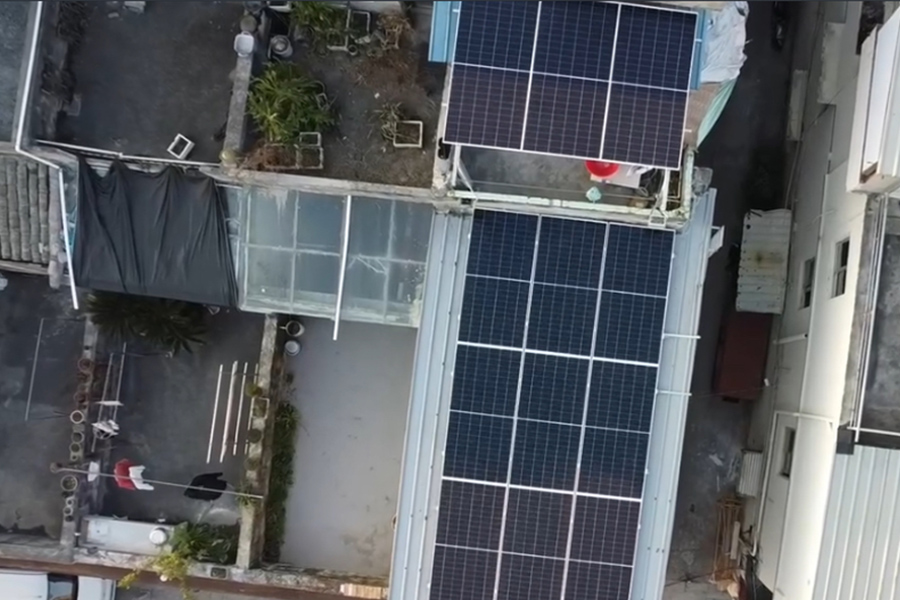
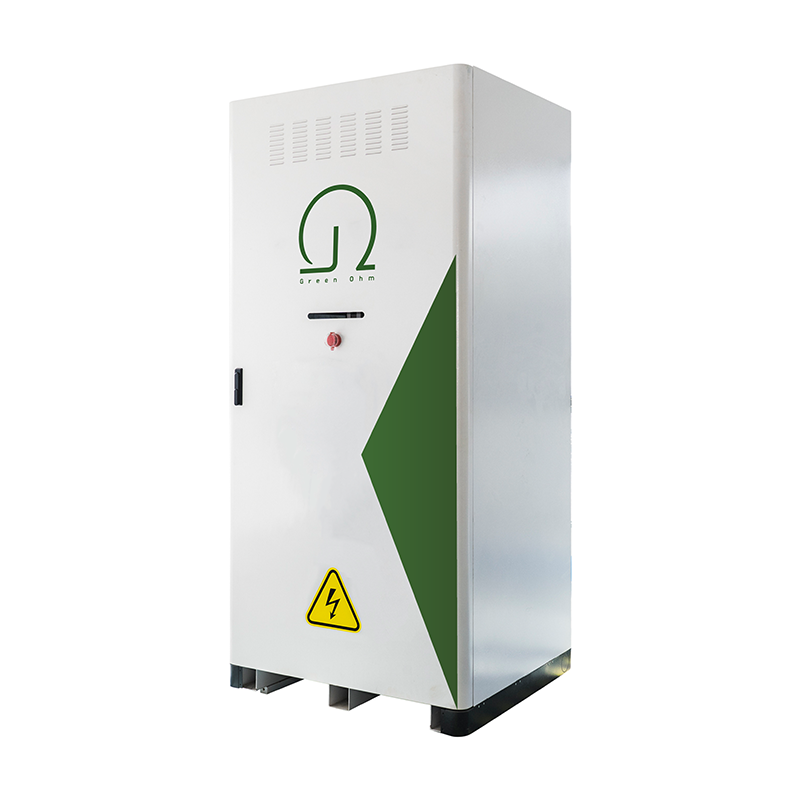
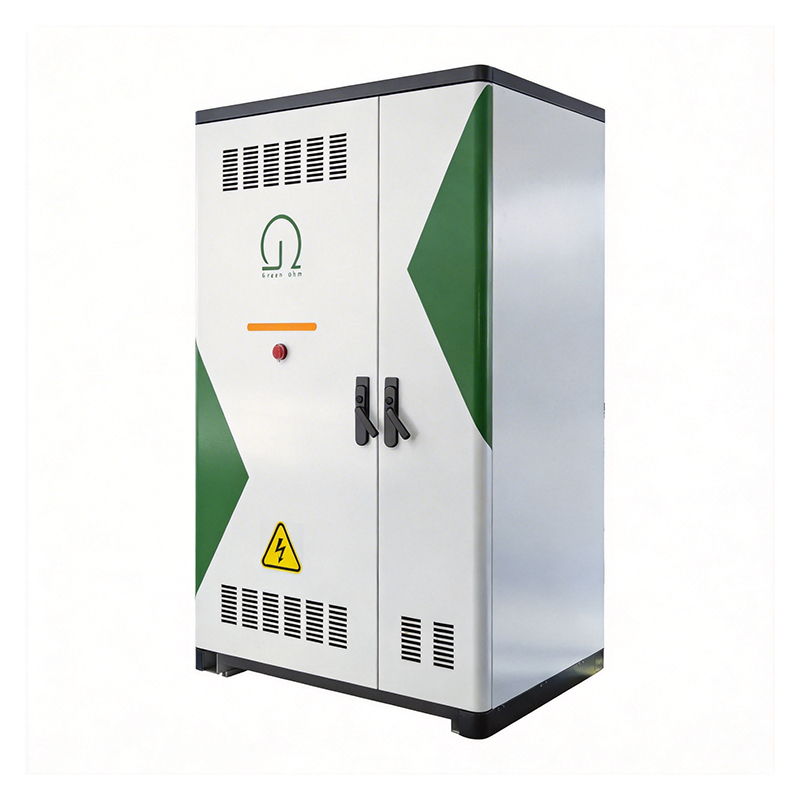
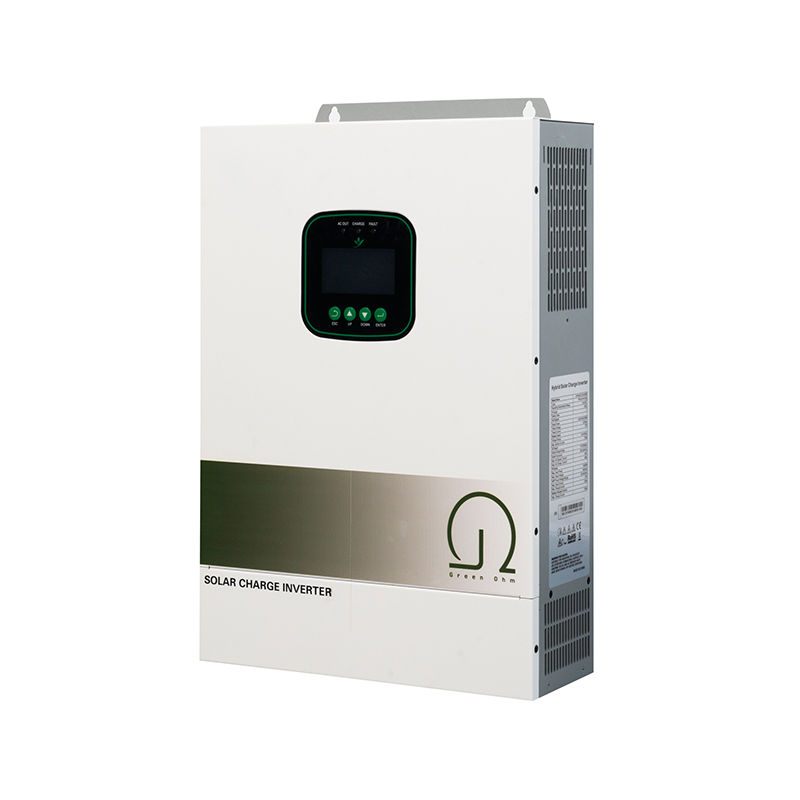
The project owner is a local landlord who built a three-story detached house for rental, accommodating 6-8 tenants. Tenants' daily electricity consumption includes basic loads such as lighting, air conditioning, washing machines, and kitchen appliances. The owner's core pain point is the huge electricity consumption and heavy monthly electricity bills resulting from multiple tenants sharing the property. They also hope to improve the property's attractiveness, reduce vacancy rates, increase lease renewal rates, and address the issue of occasional power outages during peak hours, affecting the tenants' living experience by optimizing the power configuration. Based on the tenants' overall electricity load (approximately 15-20 kWh per day) and the available roof area, we customized a 6kW/8kWh energy storage system for the owner. The core configuration includes high-efficiency monocrystalline silicon photovoltaic modules, modular energy storage battery packs, a smart inverter, and a BMS battery management system. The system adopts a "self-consumption, surplus power to the grid" model, adapting to the fragmented electricity consumption scenario of multiple tenants sharing the property, balancing practicality and economy. It requires no large-scale structural modifications to the building, is easy to install, and does not damage the building's aesthetics. After the project is implemented, it brings significant benefits and value enhancement to landlords: First, it reduces operating costs. The photovoltaic modules generate approximately 25 kWh of electricity per day, which can fully cover the daily electricity consumption of tenants. The surplus electricity is connected to the grid to generate revenue, saving 300-400 yuan per month in electricity bills, and over 4,000 yuan per year, eliminating the need to advance high electricity bills for tenants. Second, it enhances the competitiveness of the property. By highlighting "green and intelligent electricity" as a selling point for rentals, it can achieve a slight increase in rent, while effectively reducing vacancy rates and increasing renewal rates. Third, it ensures a stable power supply. The energy storage system can store excess photovoltaic power in real time. In the event of grid voltage fluctuations or short-term power outages, it switches to energy storage power in milliseconds, ensuring the normal operation of tenants' core electrical equipment and improving the tenant's living experience. In addition, the system supports remote monitoring via a mobile APP, allowing owners to view power generation, electricity consumption, and remaining energy storage capacity in real time, making operation and maintenance convenient and worry-free.