English
 Español
Green Ohm
Green Ohm
Green Ohm
Green Ohm
Green Ohm
Green Ohm
Green Ohm
Green Ohm
Green Ohm
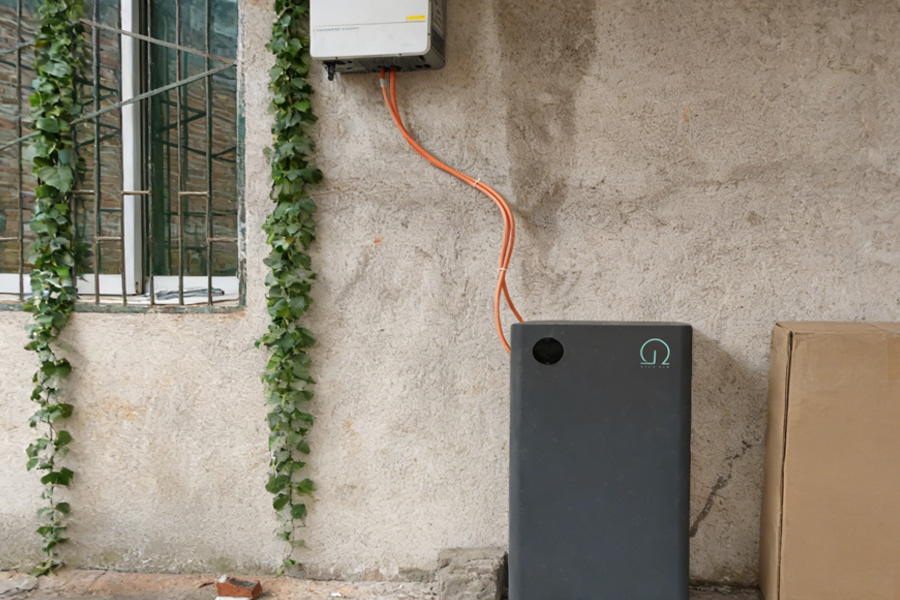
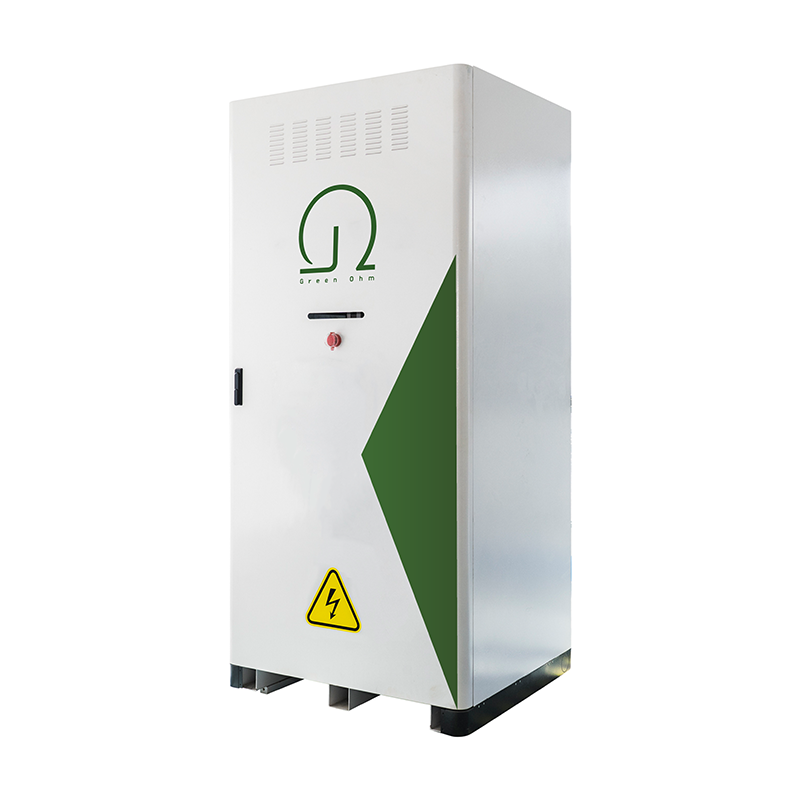
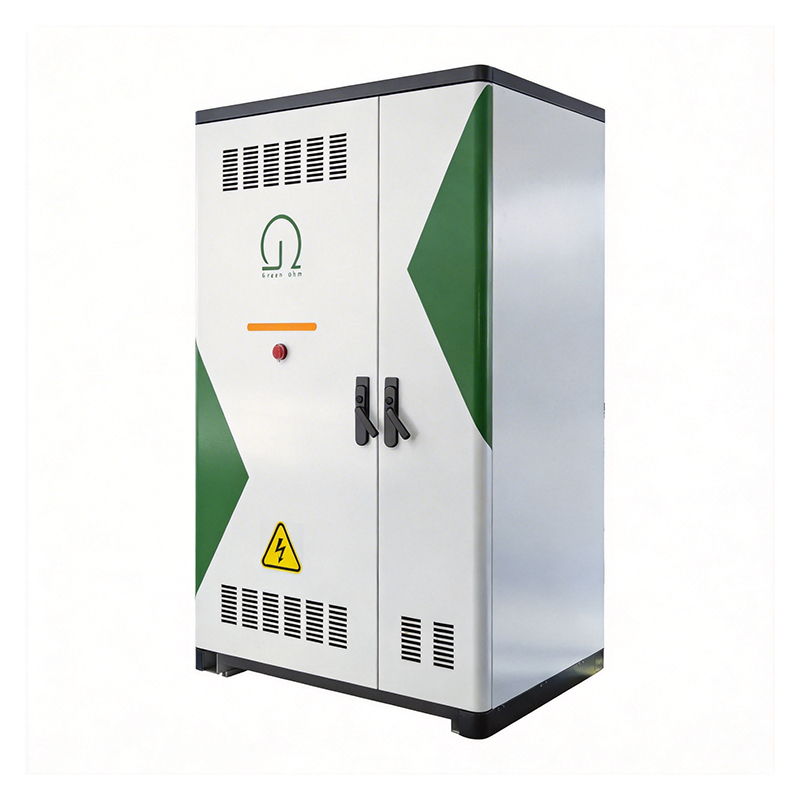
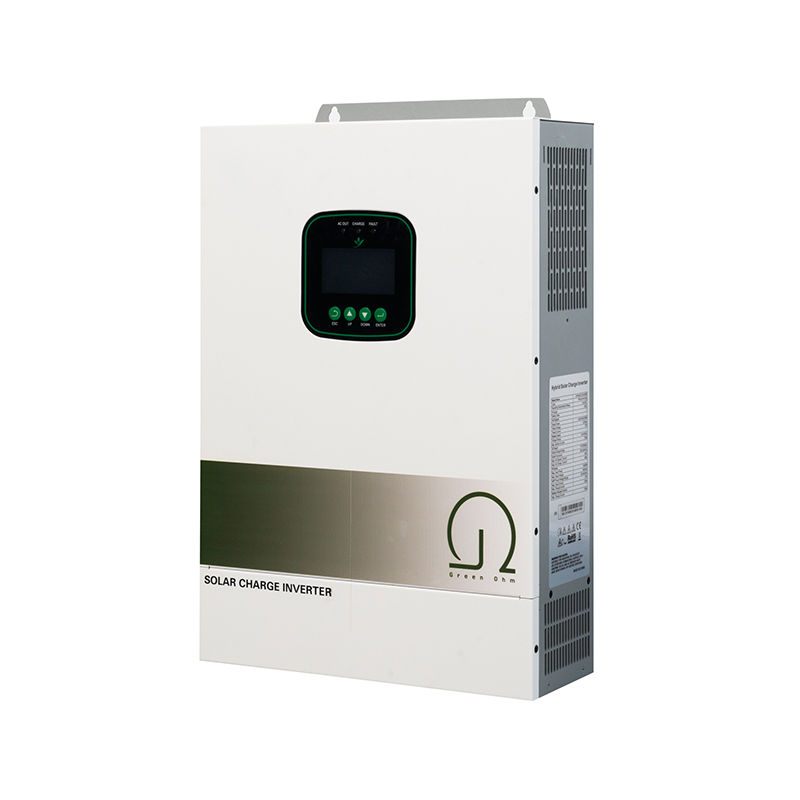
The project owner is a local farmer who built a self-constructed residence with an attached small agricultural tool processing area. Their daily electricity needs cover both household use and the electricity required for agricultural machinery and small processing equipment. The core requirement is to address the issues of unstable voltage and occasional power outages during peak hours, ensuring reliable power supply for both residential and production needs, while simultaneously reducing long-term electricity costs and reducing over-reliance on the grid. To meet the owner's dual-mode electricity requirements, we customized a 12kW/16kWh high-capacity energy storage system, equipped with a high-efficiency photovoltaic array, a high-power intelligent inverter, and a comprehensive safety protection system. The system adopts a dual-mode operation of "off-grid + grid-connected," enabling self-consumption of photovoltaic power and grid connection of surplus electricity when the grid is normal, and independent operation during grid outages to provide stable power support for household use and agricultural tool processing. The energy storage battery uses lithium iron phosphate batteries with a cycle life of over 3000 cycles, adaptable to complex operating environments, resistant to high and low temperatures, and highly safe. It is also equipped with a BMS battery management system to monitor battery status in real time and prevent safety hazards such as overcharging and overvoltage. After the project was put into operation, it completely solved the owners' pain points regarding electricity: First, it achieved self-sufficiency in electricity. The photovoltaic system generates approximately 45 kWh per day, and the energy storage battery can store excess electricity to meet the daily electricity needs of the household and the power needs of agricultural processing tools (such as threshers and crushers), completely eliminating dependence on grid power. Even in the event of a grid outage, it can guarantee a continuous power supply for 8-10 hours. Second, it significantly reduced electricity costs. Compared to the previous complete reliance on grid power, it can save 600-800 yuan per month in electricity bills, nearly 10,000 yuan per year. Furthermore, surplus electricity can be fed into the grid to generate additional revenue, further enhancing the project's cost-effectiveness. Third, it is adaptable to various usage scenarios. The system installation process fully considers the characteristics of the building's roof structure, adopting a lightweight bracket design that does not damage the roof. It also has low operation and maintenance costs and requires no professional personnel to oversee operations, perfectly meeting the owners' needs. In addition, the system can reduce carbon dioxide emissions by approximately 4.8 tons annually, contributing to the green energy transition.